All Categories
Featured
Table of Contents
This relocation was the result of competitive research that went beyond copying techniques. Marriott recognized a segmenthigh-end tourists who liked home leasings however desired trusted serviceand developed a model around that insight. This case isn't almost travel. It's a pointer to all industries that your next rival may not look like youand that market leadership is vulnerable without vigilance.
By the time customer behavior had actually moved, major gamers had to respond from behind. Analyzing features works, but understanding why clients switchor stayis more powerful. Airbnb wasn't just less expensive; it aligned with a brand-new definition of what significant travel appeared like. The brands that rebounded most effectively had already begun reconsidering their models.
It was the result of long-term circumstance preparation and competitor monitoring. Numerous brands believe competitors just exists within their vertical. Genuine threatsand real opportunitiesoften emerge at the edges. Interruption can originate from business solving various problems in surrounding markets. Beyond metrics, it is necessary to understand how customers feel about your competitors.

Efficient competitive analysis has formed some of the most important organization success of the last few decades. When succeeded, it does more than track rival brands. It reveals market shifts, identifies consumer choices, and helps companies reimagine their position in the market. The copying highlight how comprehensive rival research study can result in transformative method changes and long-lasting dominance.
By the early 2000s, the competitors had actually reached a point where both brands required to do more than launch new tastes or launch star recommendations. Coca-Cola embarked on a substantial competitor analysis, not only taking a look at Pepsi's marketing strategies however likewise evaluating market data, pricing models, and emerging youth culture patterns.
Professional Service MarketingActionable Insights On Improving Sales ROI
In reaction, Coca-Cola pivoted with a nostalgia-based campaign that enhanced its identity as a classic, family-oriented classic. Instead of mimic Pepsi's tone, Coca-Cola selected to double down on what made it special. This approach assisted the company stabilize its market share and protect its legacy, proving that competitive research is as much about refining your own voice as it is about watching others.
Hit, with its countless shops, appeared untouchable. Netflix studied its rival's weak points carefully, specifically its reliance on late charges, store-based inventory, and a one-size-fits-all organization design. Through a mix of customer studies, market pattern analysis, and behavioral research study, Netflix recognized a clear consumer discomfort point: people did not like the inconvenience of driving to shops and paying charges for returns.
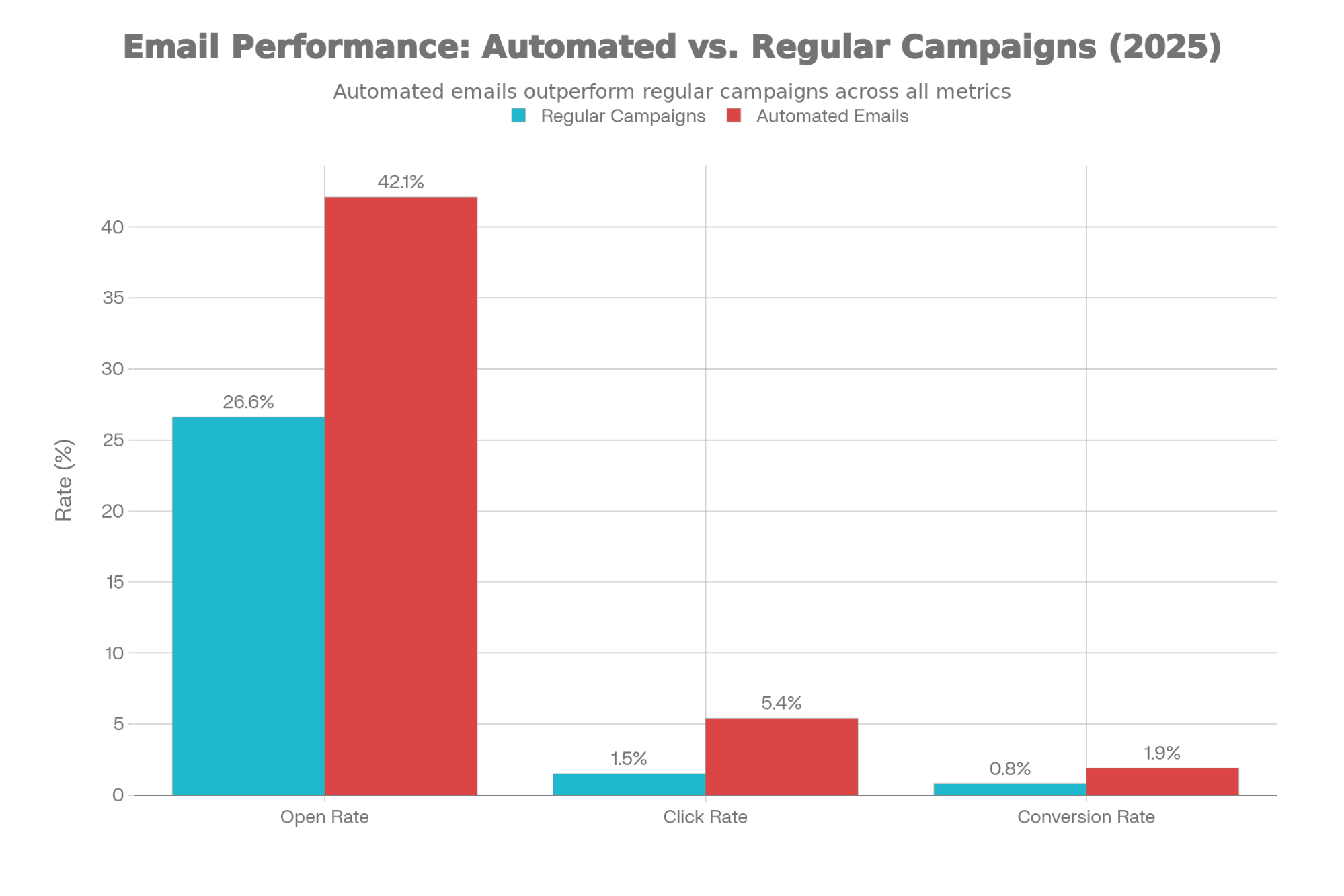
The data pointed to a growing hunger for on-demand content and greater flexibility. While Blockbuster holds on to its retail footprint, Netflix bought technology and material licensing. By the time Hit attempted to pivot, Netflix had actually currently secured consumer loyalty and brand name equity in the brand-new streaming model. This is a traditional example of how competitive market research can discover a strategic inflection point.
Side-by-Side Review of Industry Marketing Metrics
It won by observing client frustration and utilizing competitor inertia to its benefit. Barnes & Noble when held the title of the biggest bookseller in the United States. With expansive retailers, in-house cafs, and curated choices, it provided an immersive experience that seemed challenging to replicate online. Amazon did not just aim to offer books more inexpensively.
By carefully taking a look at Barnes & Noble's inventory expenses, supply chain, and reliance on physical places, Amazon identified opportunities for interruption. The company recognized that a broader item variety, quicker delivery choices, and algorithmic recommendations could deal with consumer needs more efficiently than in-store browsing. Amazon's early strategy involved expanding classifications, lowering rates through scale, and optimizing logistics.
What sets this case apart is the scope of the analysis. By monitoring its rivals and adjusting to digital behaviors quickly, Amazon moved from specific niche player to worldwide marketplace leader.
Key Insights On Improving Marketing Performance
Their success was not based upon mimicry. It came from a clear understanding of the market, the gaps left by rivals, and the desire to act upon those insights. Whether you are a tradition brand protecting your market share or a challenger brand name searching for an entry point, competitive analysis can serve as a compass.
These examples also show that success often comes from framing competition in regards to consumer habits rather than simply item features. For companies purchasing competitive and market analysis today, the stakes are even greater. Markets progress quicker, customers are more notified, and innovation shortens the life process of strategic benefits.
Many marketing platforms and consultancy websites offer free or paid templates designed to guide companies through competitive market analysis. These consist of SWOT matrices, rival profiling sheets, and comparison dashboards. A great template will assist guarantee you think about crucial parts such as target audiences, rates, worth proposition, customer experience, and digital footprint.
Reports from sources like Statista, IBISWorld, and Mintel provide important insights into market share, customer trends, macroeconomic factors, and competitive shifts across industries. For businesses wanting to comprehend the more comprehensive competitive landscape or benchmark their efficiency, registering for these reportsor dealing with a market research study agencyis often worth the financial investment.
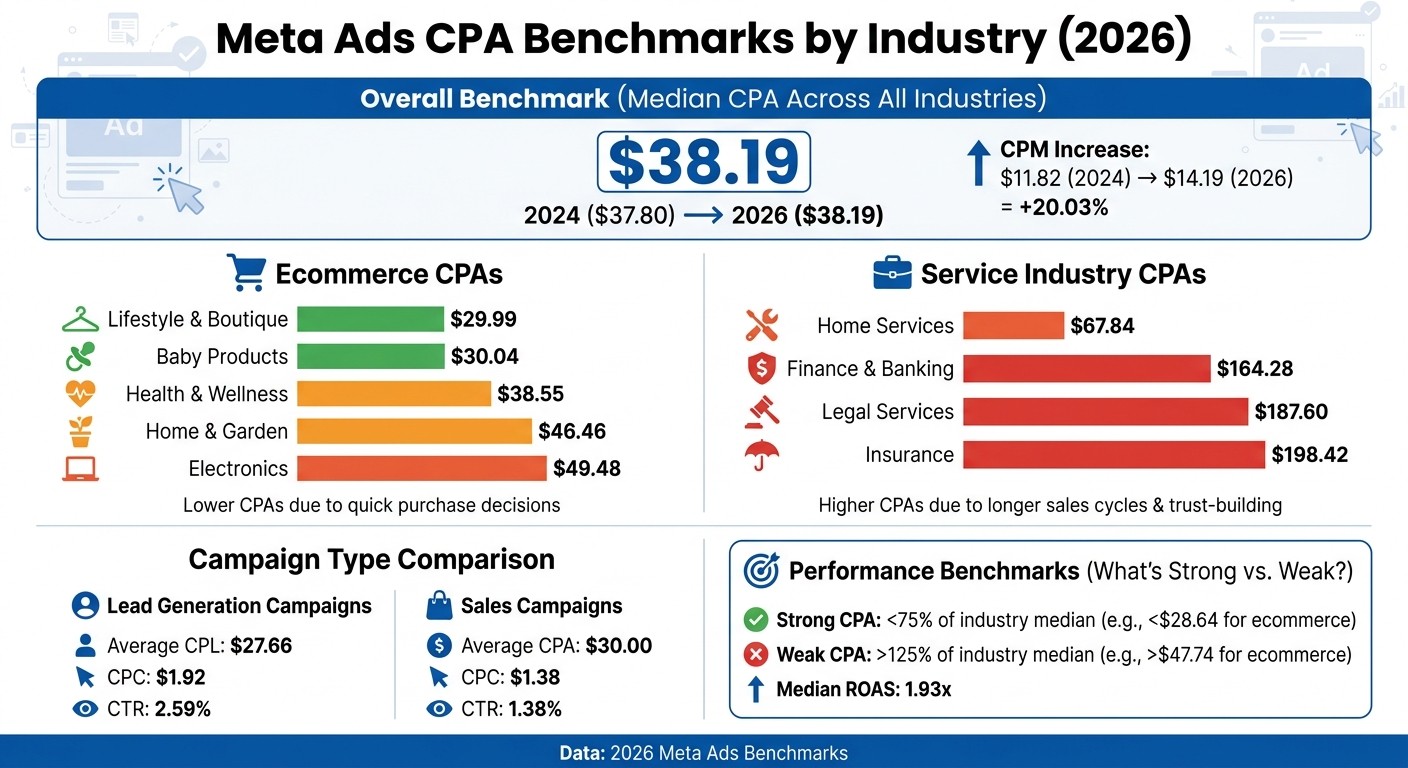
You can compare domain traffic, keyword rankings, paid advertising spend, backlink methods, and content efficiency. These platforms are vital for digital-first companies and are progressively being utilized by conventional players to remain competitive in online markets. Platforms such as Brandwatch, Hootsuite Insights, or Sprout Social can help assess public perception and monitor engagement metrics.
Comparative Study of Industry Marketing Benchmarks
This kind of insight exceeds what traditional studies can record and feeds into a more vibrant understanding of your competitors' brand name health. One type of competitive research study frequently underused is secret shopping or rival product testing. This includes assessing customer journeys, shipment experiences, item quality, and post-sale support. It is especially pertinent for companies performing competitive shopping analysis in retail, ecommerce, and hospitality.
Professional Service MarketingThese firms provide tailored rival research study, consumer segmentation, trend forecasting, and benchmarking tailored to your tactical objectives. They can likewise assist in performing market analysis and competition evaluations that specify to geographic regions or market verticals. Whether you remain in B2B or customer markets, these tools and approaches provide scalable alternatives to make your rival intelligence more actionable and accurate.
The real benefit of examining competition is not just understanding where you stand, but also using those insights to remain ahead. Below are five practical methods business are keeping their edge in 2024 and beyond. The most successful brand names no longer deal with rival market analysis as a one-time audit. Leading business develop automated tracking systems that monitor market competitors throughout digital channels, rates databases, item listings, and press protection.
Remaining ahead of the competitors frequently boils down to who understands the consumer much better. Competitive research study ought to be matched with direct client insightcollected through interviews, surveys, and behavioral information. The overlap between client expectations and rival blind spots is where breakthrough opportunities frequently lie. Knowing your rivals is very important, however simply copying them will not guarantee market share.

Latest Posts
Modern Growth Frameworks for the Website Economy
Mastering Marketing Growth Blueprints for 2026
An Effective Scaling Blueprint for Agency Growth